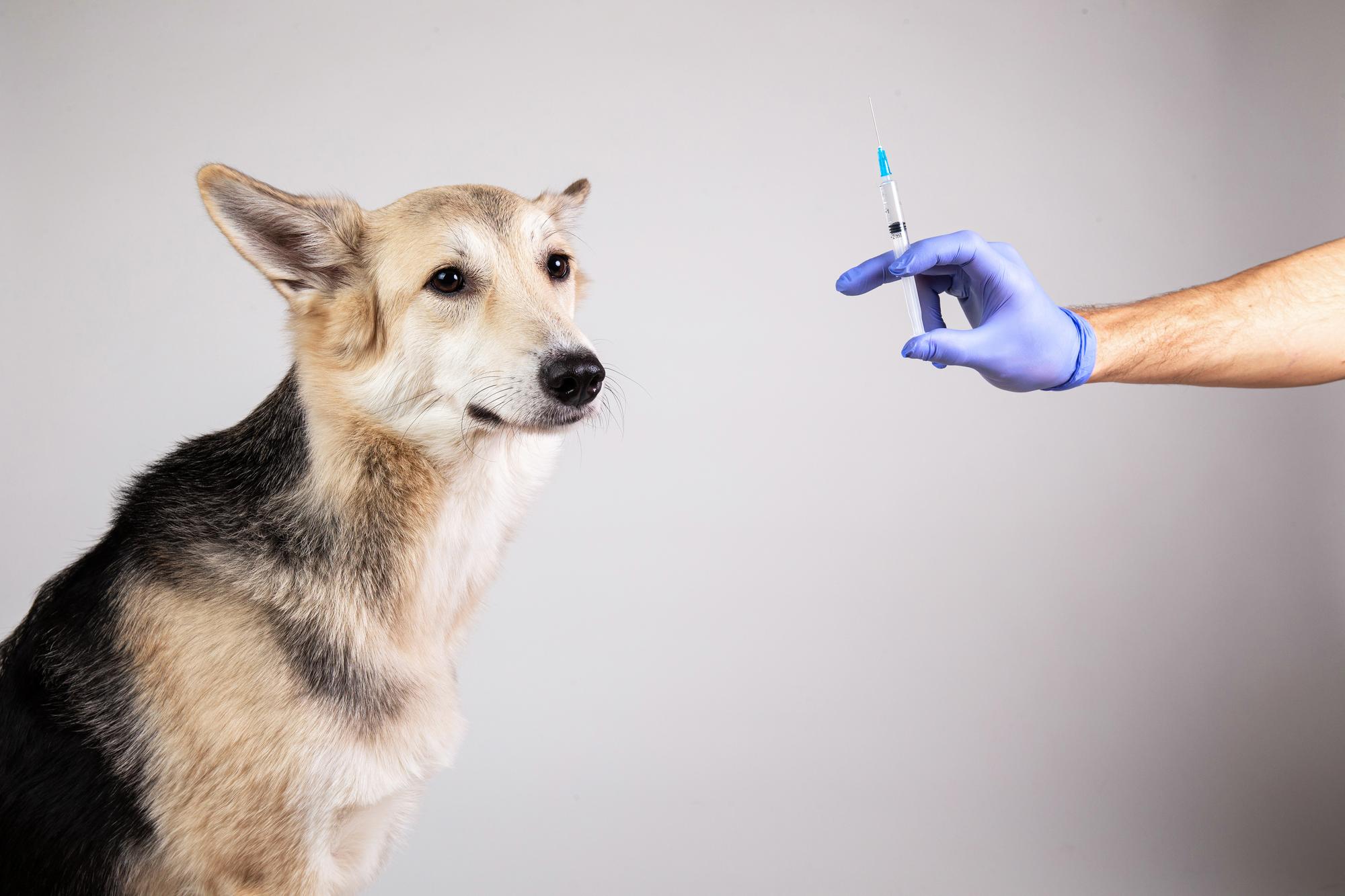
As March arrives in Houston, pet owners start to notice the weather warming, outdoor activities increasing, and—unfortunately—a higher risk of parasites for their beloved animals. If you are worried about fleas, ticks, and heartworms making a comeback this spring, you are not alone. The season’s humidity and mild temperatures create the perfect environment for these pests to thrive, putting dogs and cats at greater risk for infestations and serious health problems. At CityVAX, our mobile, low-cost pet vaccination clinic brings expert veterinary care directly to Houston and nearby communities, offering walk-in pop-up events with no appointment needed. Our caring veterinary team specializes in parasite prevention, vaccinations, microchipping, and heartworm testing. In this blog, we will explore why spring is a critical time for parasite risks, how to recognize warning signs, what prevention and treatment involve, and how CityVAX’s accessible pop-ups make it simple to protect your pet’s health this season. If you are looking for easy, affordable ways to keep your pets safe from parasites, you will find practical guidance and local resources right here.
Spring often brings more than just bluebonnets and outdoor adventures for Houston’s pets; it also signals the return of fleas, ticks, and mosquitoes, which all carry potentially dangerous parasites. Knowing the early warning signs of a parasite problem can make a world of difference in your pet’s health. Flea infestations are often noticeable by frequent scratching, biting at the skin, red bumps, or visible fleas and “flea dirt” in your pet’s coat. Ticks may appear as small, dark bumps attached to your dog or cat’s skin, particularly around the ears, neck, or between the toes. Keep an eye out for lethargy, loss of appetite, or unexplained fevers, which can sometimes be the result of tick-borne illnesses.
Heartworm disease is especially concerning in Houston due to the local mosquito population. Unfortunately, early signs of heartworm infection are subtle or even absent. As the disease progresses, you might notice a soft, persistent cough, difficulty breathing, fatigue after mild exercise, or weight loss in your dog. Cats may show vague symptoms like vomiting, coughing, or general unwellness. Because these signs can easily be mistaken for other health issues, routine heartworm testing is essential, especially in the spring when transmission risk increases. If you notice any of these symptoms or suspect your pet has come into contact with fleas, ticks, or mosquitoes, it is important to seek veterinary care promptly.
Houston’s climate is a major factor in the rise of parasite problems during spring. As temperatures climb and rainfall increases, conditions become ideal for fleas and ticks to reproduce rapidly. Mosquitoes, which are the sole transmitters of heartworm larvae, thrive in standing water left behind by spring showers. This means that even indoor pets are not completely safe, as mosquitoes can easily enter homes and bring heartworm risks with them.
The city’s parks, hiking trails, and backyards are home to wildlife that can carry fleas and ticks, exposing pets during even brief outdoor trips. Additionally, the dense population in Houston and surrounding communities means pets often come into close contact at dog parks, boarding facilities, or on neighborhood walks, increasing the chance of spreading parasites.
It is important to understand that parasites are not just a nuisance; they can cause severe health issues. Fleas are known for causing skin allergies, tapeworm infections, and anemia, especially in small or young pets. Ticks are responsible for transmitting diseases such as Lyme disease, ehrlichiosis, and anaplasmosis. Heartworm disease can be fatal without treatment, making prevention a top priority for every Houston pet owner as spring arrives.
When it comes to parasite protection, prevention is always better than cure. At CityVAX, our mobile veterinary team provides a wide range of affordable preventive services at convenient pop-up events throughout Houston. These low-cost options make it easy for families to keep pets up to date on essential parasite control without the stress or expense of traditional clinics.
Preventive care starts with regular, veterinarian-approved medications for fleas, ticks, and heartworms. These can include monthly oral or topical treatments, as well as annual heartworm injections when appropriate. Our veterinary professionals will guide you in selecting the right products based on your pet’s age, weight, lifestyle, and risk factors. We can also review your pet’s vaccination status and recommend updates that protect against common diseases spread by parasites. For more details on our parasite prevention and control options, visit our page on parasite prevention and control services for pets in Houston.
If your pet tests positive for parasites, our team provides clear next steps and guidance. For heartworm disease, early detection is crucial; treatment is complex and best managed by a full-service veterinary clinic, but we can help you identify the problem and connect you with the necessary resources. Flea and tick infestations are managed with prescription medications, environmental control recommendations, and, when needed, follow-up care to address secondary infections or allergic reactions. Our veterinary team is committed to providing personalized advice and support during every pop-up event.
Protecting your pet from fleas, ticks, and heartworms is a year-round responsibility, but spring is the time to double down on prevention efforts. Start by administering veterinarian-recommended parasite prevention products consistently every month, even if your pet spends most of their time indoors. Inspect your pet’s fur and skin regularly, especially after walks or outdoor play. Look for signs of fleas, ticks, or skin irritation, and address any issues promptly.
Creating a parasite-unfriendly environment is also important. Keep your yard trimmed, remove standing water, and wash your pet’s bedding frequently. Vacuum carpets and upholstery to reduce flea eggs and larvae in your home. If you are concerned about environmental risks, our veterinary professionals can offer advice on safe yard treatments and cleaning strategies.
Make sure to schedule regular heartworm testing, as many pets do not show symptoms until the disease is advanced. CityVAX offers convenient heartworm testing services for pets in Houston at our mobile clinics, making it easier than ever to stay on top of this critical preventive step. Staying proactive now can save your pet from discomfort, illness, or even life-threatening complications down the road.
While preventive care is highly effective, there are situations where immediate veterinary attention is necessary. If your pet is scratching incessantly, losing fur, or developing skin sores, it is time to consult a veterinary professional. Pets that display sudden lethargy, breathing difficulties, coughing, unexplained weight loss, or changes in appetite may be showing signs of a more serious parasitic disease such as heartworm or a tick-borne illness.
CityVAX’s mobile clinics are designed for convenience and accessibility, so you can walk in without an appointment and get expert guidance right at our pop-up events. Our veterinary team can assess your pet, recommend the best course of action, and, if needed, refer you to a full-service clinic for advanced care. For families searching for a mobile vet near me, our mission is to make quality parasite prevention and detection available to every pet owner in Houston and nearby communities.
Do not wait until problems become severe. Spring is the season when parasite risks are highest, and early intervention can make all the difference. If you are worried about your pet’s health or notice any concerning symptoms, visit a CityVAX clinic at your earliest opportunity. You can find our latest pop-up locations and extended hours on our clinic schedules and locations page.
Spring brings new adventures for Houston’s pets, but it also signals a rise in parasite threats that require vigilant prevention and quick action. By understanding the risks, recognizing early warning signs, and choosing professional care, you can keep your four-legged family members healthy and happy all season long. CityVAX is here to make parasite prevention easy, affordable, and stress-free with our walk-in, mobile pop-up clinics serving Houston and nearby communities. No appointment is ever needed—just stop by at your convenience and let our caring veterinary professionals help you safeguard your pet’s well-being.
To learn more about our full range of pet vaccination services and parasite prevention options, or to find the next CityVAX location near you, visit our website or call (832) 281-0559. Trust your pet’s health to a team dedicated to keeping Houston’s animals healthy and protected, one convenient pop-up at a time.
This blog is intended for informational purposes only and should not replace professional veterinary care. If your pet is showing signs of illness or you have concerns about parasite risks, consult a veterinarian as soon as possible.